 RapidHeat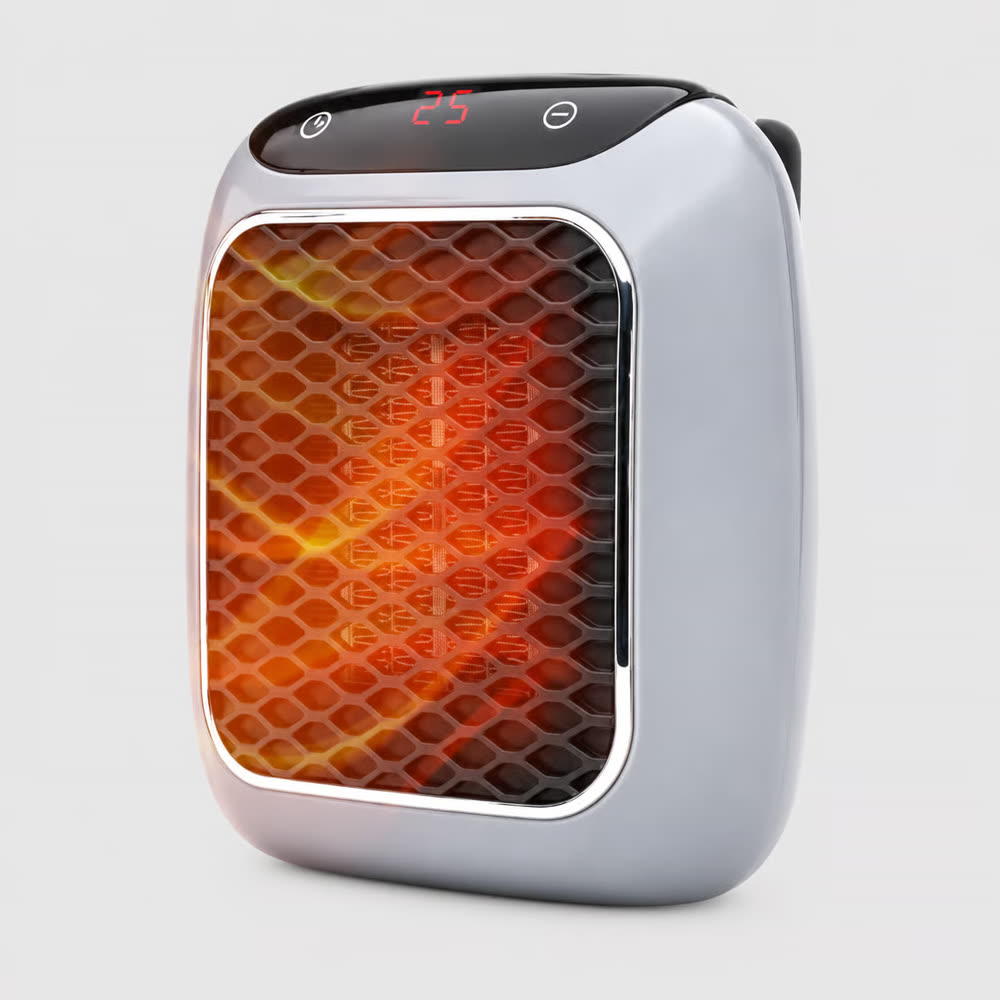
Quick answer
For a small UK room, choose a heater of roughly 100W per square metre with a thermostat and timer. A low-power wall-plug ceramic heater suits very small spaces and short use; an oil-filled radiator suits bedrooms that need steady heat; an infrared panel suits a desk.
What we checked: We checked the seller's website, UK safety and energy guidance, and published heater specifications. We did not test the product hands-on. Last reviewed 11 October 2026. How we research.
Key takeaways
- The cheapest is a correctly sized heater with a thermostat and timer, used only while you’re in the room.
- Around 1–1.5 kW is usually enough for a small, reasonably insulated bedroom.
- Yes, for short sessions in a small room. Wall-plug heaters like RapidHeat save floor space but are less powerful than many freestanding heaters.
- A quiet oil-filled radiator or a low-noise ceramic heater with a thermostat and timer.
- A 9m² room typically needs around 900W in a reasonably insulated home.
The best small space heater depends on the room and how you use it. We compare the main types on the same criteria so you can pick the right one — including where a wall-plug heater like RapidHeat fits.
Best for a home office
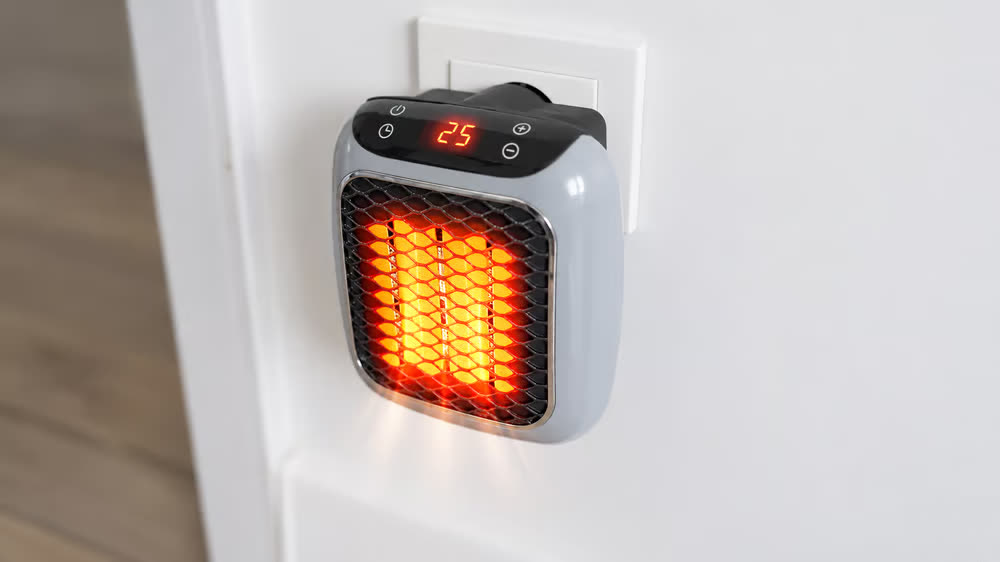
You want quick warmth for a few hours and no cable underfoot. A compact ceramic fan heater or wall-plug heater works well. Look for a thermostat so it doesn’t overheat the room during long calls.
Best for a bedroom
Quiet operation and a timer matter most. Oil-filled radiators are silent and give steady heat; fan heaters are faster but make some noise. Never leave any heater close to bedding.
Best for a spare room or conservatory
Occasional use favours something portable and fast — a fan or wall-plug heater. Conservatories lose heat quickly, so expect higher running costs and choose more power for larger spaces.
How we compare small heaters
Our consistent criteria:
- Speed of warmth close by
- Noise
- Floor space and cable
- Controls: thermostat, timer, remote
- Safety features and markings
- Running cost at the power you’ll actually use
Heater size by room
| Room | Size | Approx. output needed | Suggested type |
|---|---|---|---|
| Box room / study | 4–6m² | 400–600W | Wall-plug ceramic or infrared panel |
| Small bedroom | 7–9m² | 700–900W | Oil-filled radiator or ceramic |
| Double bedroom | 10–14m² | 1–1.4kW | Oil-filled radiator or convector |
| Conservatory | Varies | Often 2kW+ | Convector or oil radiator — poorly insulated |
| Caravan / garden office | 6–10m² | 600W–1kW | Thermostatic heater rated for the space |
Best heater for a home office
If you work from home, warming just your office for the working day while the rest of the house stays cooler can save energy. A quiet heater with a thermostat avoids distraction on video calls. Radiant panels warm you directly at a desk; small ceramic heaters warm the air in a box room.
Best heater for a bedroom
Noise and safety matter most. Oil-filled radiators are silent and give gentle heat; fan heaters can be noisy. Use a timer to warm the room before bed rather than running a heater all night.
Best heater for a conservatory, caravan or garden office
Conservatories and garden rooms lose heat quickly through glass and thin walls, so a small heater often struggles. Choose a thermostatic heater with enough output — often 1.5–2kW — and add draught-proofing. In caravans, check the electrical hook-up limit before running a heater, and only use heaters suitable for the space.
How to keep a small room warm for less
- Close the door and use a draught excluder
- Put a rug down on bare floors
- Draw curtains as soon as it gets dark
- Place the heater where air can circulate, not behind furniture
- Use a timer to warm the room just before you use it
Where RapidHeat fits
RapidHeat is a compact wall-plug ceramic heater, so it suits the smallest spaces on our table — box rooms, studies and small bedrooms — for topping up warmth. For larger or poorly insulated rooms, a more powerful oil-filled radiator or convector is the better choice.
Is RapidHeat right for you?
Likely a good fit if you…
- Want to warm one small room or desk area
- Want to keep central heating off while you sit in one room
- Have no floor space for a radiator
- Value a 30-day money-back guarantee (per seller)
Probably not for you if you…
- Need to heat a large, open-plan or draughty room
- Expect it to replace central heating or cut bills dramatically
- Need a heater for a bathroom
- Need published wattage and certificates before buying
Frequently asked questions
What is the cheapest heater to run for a small room?
The cheapest is a correctly sized heater with a thermostat and timer, used only while you’re in the room. Wattage and hours matter more than heater type.
What wattage heater do I need for a small bedroom?
Around 1–1.5 kW is usually enough for a small, reasonably insulated bedroom.
Is a wall-plug heater good for a small room?
Yes, for short sessions in a small room. Wall-plug heaters like RapidHeat save floor space but are less powerful than many freestanding heaters.
What is the best heater for a small bedroom?
A quiet oil-filled radiator or a low-noise ceramic heater with a thermostat and timer.
What size heater for a 3m x 3m room?
A 9m² room typically needs around 900W in a reasonably insulated home.
Is a plug-in heater good for a small room?
Yes. Small rooms are where plug-in heaters make the most sense.
What is the best heater for a home office UK?
A quiet, thermostatic heater sized to the room, used only during working hours.
What heater is best for a conservatory?
A thermostatic convector or oil-filled radiator with enough output, usually 1.5–2kW, plus draught-proofing.
Can a small heater heat a garden office?
Only if the office is well insulated. Uninsulated garden rooms usually need more power.
Sources and further reading
Read our full RapidHeat Heater review for specifications, pros and cons and our verdict.