 RapidHeat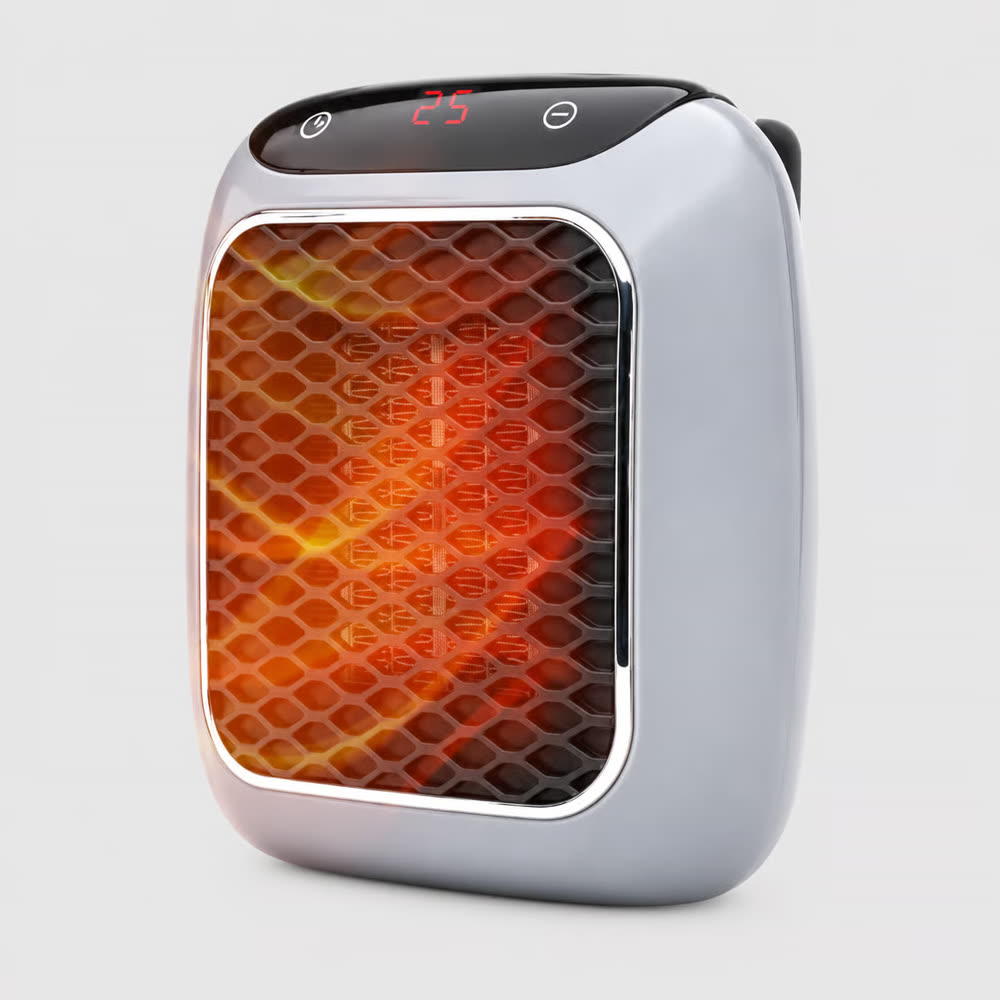
Quick answer
The best portable heater depends on the room and how you use it: a low-power ceramic heater for a small room, an oil-filled radiator for steady bedroom heat, a fan heater for fast short bursts and an infrared heater for sitting at a desk. Look for a thermostat, timer, overheat protection and UKCA or CE marking.
What we checked: We checked the seller's website, UK safety and energy guidance, and published heater specifications. We did not test the product hands-on. Last reviewed 11 October 2026. How we research.
Key takeaways
- It depends on the room: ceramic for small rooms, oil radiators for bedrooms, fan heaters for quick heat and infrared for desks.
- They use exactly their rated power. A 2kW heater uses 2kWh per hour at full output; a 500W heater uses a quarter of that.
- Multiply kW by your unit rate. At 27p per kWh, 1kW costs about 27p an hour.
- Yes, with sensible use: buy a marked product, plug directly into the wall, keep 1 metre from flammables and do not leave unattended.
- High-power models can be, if used for hours. Low-power heaters for short periods in one room are much cheaper.
Portable electric heaters let you warm the room you are using without switching on the whole central heating. This guide compares every common type on the same criteria, shows what each costs to run and lists the safety features that matter.
Portable heater types compared
| Type | Typical power | How it heats | Best for | Watch out for |
|---|---|---|---|---|
| Wall-plug ceramic (e.g. RapidHeat) | Low, usually under 1kW | Fan blows air over a ceramic element | Topping up one small room | Limited output; fan noise |
| Fan heater | 1–3kW | Fan over a hot wire element | Fast heat in short bursts | Noise; high cost per hour at full power |
| Oil-filled radiator | 0.5–2.5kW | Heats oil that radiates slowly | Longer, steady heat in bedrooms | Slow to warm up; heavy |
| Convector heater | 1–2kW | Warms air that circulates naturally | Whole small/medium rooms | Takes time; heat rises to ceiling |
| Halogen / infrared | 0.4–1.2kW | Radiant heat warms people directly | Sitting in one spot | Bright glow; only warms what it faces |
What portable heaters cost to run
Running cost depends only on wattage and your tariff:
| Heater power | Per hour | 5 hours a day | Per week (5h/day) | Winter (750 hours) |
|---|---|---|---|---|
| 400W | 10.8p | 54p | £3.78 | £81 |
| 600W | 16.2p | 81p | £5.67 | £121.50 |
| 800W | 21.6p | £1.08 | £7.56 | £162 |
| 1,000W (1kW) | 27p | £1.35 | £9.45 | £202.50 |
| 2,000W (2kW) | 54p | £2.70 | £18.90 | £405 |
| 3,000W (3kW) | 81p | £4.05 | £28.35 | £607.50 |
Safety features to insist on
- Overheat cut-out
- Tip-over switch on freestanding models
- UKCA or CE marking
- Thermostat and timer
- Plug straight into a wall socket — not an extension lead
Are portable gas heaters safe indoors?
Portable gas (LPG) heaters produce moisture and combustion gases, including carbon monoxide risk, and need good ventilation and a CO alarm. For most UK homes, an electric portable heater is the simpler and safer choice for occasional use.
A compact wall-plug option
Choosing a portable heater by room size
Allow about 100W per square metre in a typically insulated room. A 2m × 2.5m study (5m²) needs around 500W; a 3m × 4m bedroom (12m²) around 1.2kW; a 4m × 5m lounge (20m²) around 2kW. Older homes with single glazing or solid walls may need more.
Buying a heater that is too small is the most common mistake: it will run flat out without ever warming the room. Buying one too big wastes money only if it has no thermostat.
Portable heater buying checklist
- Output matched to room size
- Adjustable thermostat and timer
- Overheat and tip-over protection
- Quiet operation for bedrooms and offices
- Cable long enough to reach a wall socket without an extension lead
- Clear returns policy and warranty
Wall-plug vs freestanding portable heaters
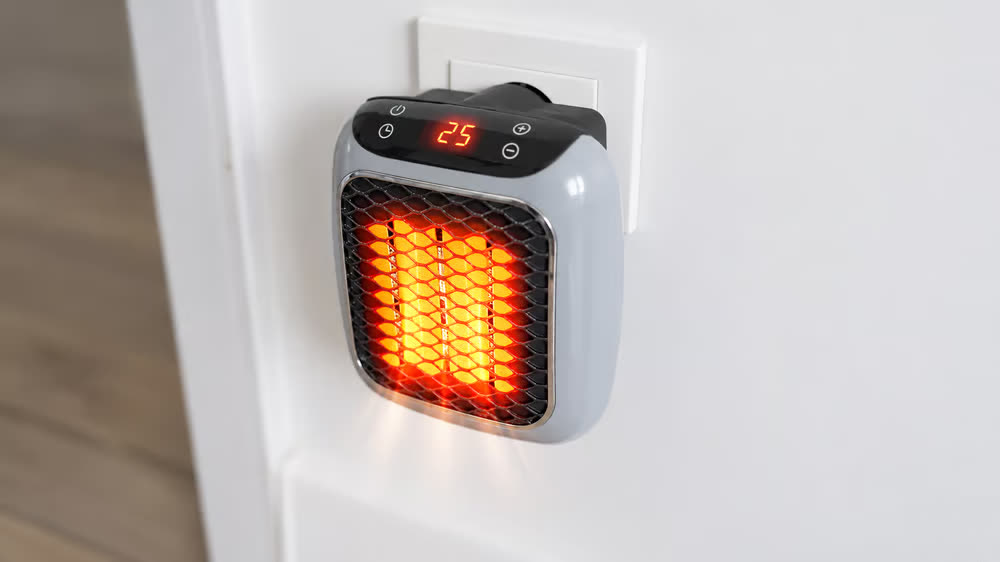
Wall-plug heaters such as RapidHeat plug straight into the socket, keeping the floor clear and avoiding trailing cables, but are limited to low power. Freestanding heaters can be more powerful and placed where you need heat, but take up floor space and need a tip-over switch.
Is RapidHeat right for you?
Likely a good fit if you…
- Want to warm one small room or desk area
- Want to keep central heating off while you sit in one room
- Have no floor space for a radiator
- Value a 30-day money-back guarantee (per seller)
Probably not for you if you…
- Need to heat a large, open-plan or draughty room
- Expect it to replace central heating or cut bills dramatically
- Need a heater for a bathroom
- Need published wattage and certificates before buying
Frequently asked questions
Which portable heater is the best?
It depends on the room: ceramic for small rooms, oil radiators for bedrooms, fan heaters for quick heat and infrared for desks.
Do portable heaters use a lot of electricity?
They use exactly their rated power. A 2kW heater uses 2kWh per hour at full output; a 500W heater uses a quarter of that.
How much does a portable heater cost to run?
Multiply kW by your unit rate. At 27p per kWh, 1kW costs about 27p an hour.
Are portable heaters safe?
Yes, with sensible use: buy a marked product, plug directly into the wall, keep 1 metre from flammables and do not leave unattended.
Are portable heaters expensive to run?
High-power models can be, if used for hours. Low-power heaters for short periods in one room are much cheaper.
Is RapidHeat a portable heater?
Yes, it plugs into a standard UK wall socket and can be moved between rooms.
What size portable heater do I need?
Allow around 100W per square metre in a typically insulated room, more in draughty or older homes.
What is the quietest portable heater?
Oil-filled radiators and convectors without fans are usually silent. Fan and ceramic heaters make some noise.
Sources and further reading
Read our full RapidHeat Heater review for specifications, pros and cons and our verdict.