 RapidHeat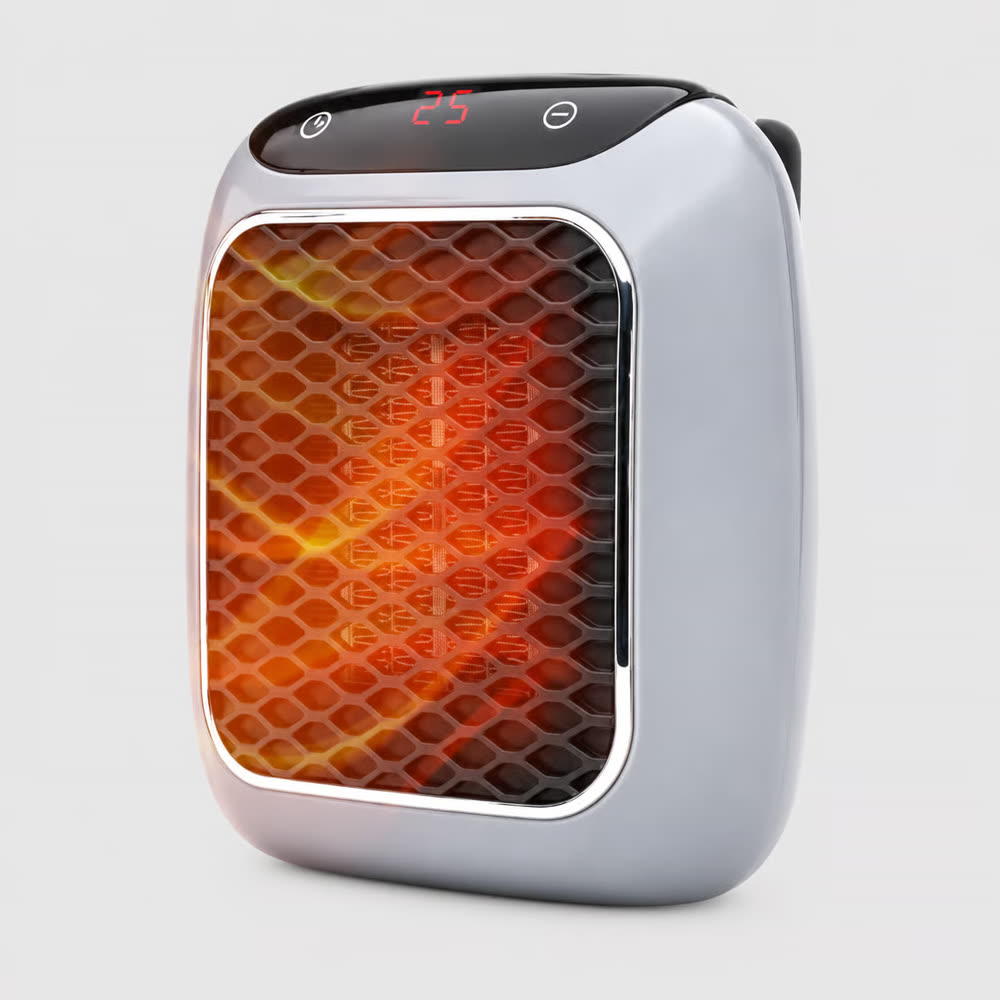
Quick answer
All electric heaters are around 100% efficient at turning electricity into heat, so no electric heater is 'more efficient' per kWh than another. The most energy-efficient choice is the one that uses the least power to keep you comfortable, with a thermostat and timer. 'Costs 1p per hour' claims usually refer to very low-power settings or are not supported.
What we checked: We checked the seller's website, UK safety and energy guidance, and published heater specifications. We did not test the product hands-on. Last reviewed 11 October 2026. How we research.
Key takeaways
- All resistive electric heaters are about 100% efficient. The cheapest to run is the one sized correctly for the room and controlled by a good thermostat and timer.
- Only very low-power devices like heated throws cost around 1p per hour.
- It is as efficient as any other electric heater. Its advantage is quick warmth; savings depend on how you use it.
- No. They convert electricity into heat at the same rate, but hold heat longer, which can feel more comfortable.
- Like every electric heater, it turns nearly all its power into heat.
Searches for “1p per hour electric heaters” and “energy efficient heater” are popular — and so are misleading adverts. Here is how heater efficiency really works.
All electric heaters are ~100% efficient
Every resistive electric heater — fan, ceramic, oil-filled or convector — turns essentially all the electricity it uses into heat. A “99.8% efficient” label is true of almost all of them and is not a special feature.
What changes running cost is how much power you use: wattage, hours and how well a thermostat controls output.
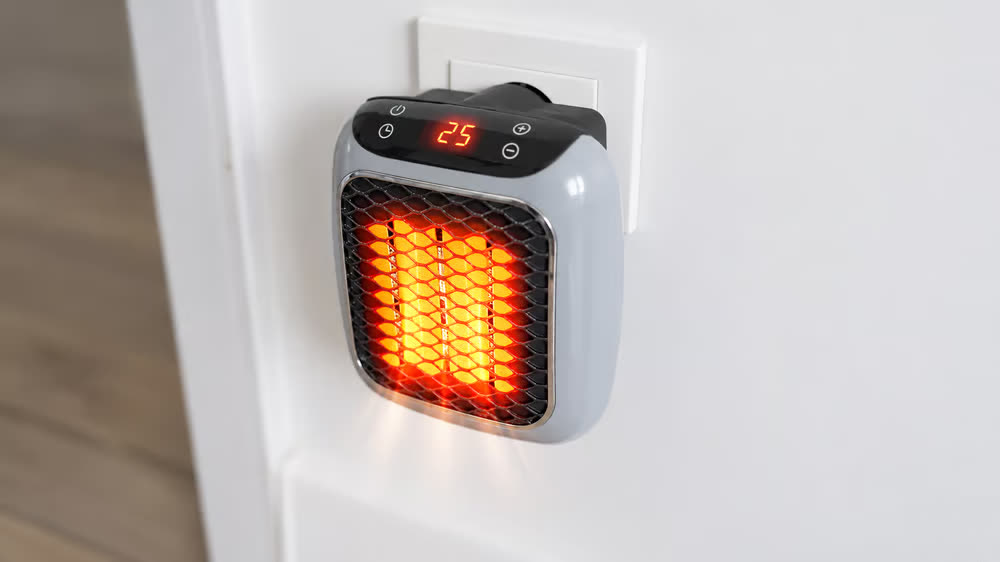
Is a 1p per hour heater real?
At 27p per kWh, 1p buys about 37 watt-hours — enough for a 37 W device for an hour. Heaters that genuinely run for 1p per hour produce very little heat (heated throws or desk warmers). Any heater warming a room uses far more.
What actually lowers heating costs
The real ways to cut costs:
- Heat only the room you’re using, with the door closed
- Use a thermostat and timer
- Improve draught-proofing and insulation
- Consider heated clothing or blankets for very low-cost personal warmth
- Heat pumps (not plug-in heaters) are the only electric heating that delivers more heat than the electricity used
The truth about '1p per hour' heaters
At 27p per kWh, 1p buys about 37Wh of electricity — enough to run a 37W device for an hour. That is less than many light bulbs, and far too little to heat a room. A heater can only cost 1p an hour if it barely produces heat or only switches on for a few minutes each hour once a room is already warm.
The Advertising Standards Authority has ruled against several heater adverts for misleading cost and saving claims, so treat headline figures with caution.
What actually makes a heater 'efficient' in practice
- Accurate thermostat: avoids overheating the room
- Timer and programmes: no heating of empty rooms
- Right size: enough output to reach temperature, not more
- Heat type that suits you: radiant for sitting still, convection for whole rooms
- A well-insulated, draught-proofed room
Most energy-efficient heating options in the UK
For whole-home heating, heat pumps are the most efficient electric option because they move heat rather than create it, delivering around three units of heat per unit of electricity. For one small room, a low-power heater with a good thermostat used for short periods is usually the most economical portable choice.
| Heater power | Per hour | 5 hours a day | Per week (5h/day) | Winter (750 hours) |
|---|---|---|---|---|
| 400W | 10.8p | 54p | £3.78 | £81 |
| 600W | 16.2p | 81p | £5.67 | £121.50 |
| 800W | 21.6p | £1.08 | £7.56 | £162 |
| 1,000W (1kW) | 27p | £1.35 | £9.45 | £202.50 |
| 2,000W (2kW) | 54p | £2.70 | £18.90 | £405 |
| 3,000W (3kW) | 81p | £4.05 | £28.35 | £607.50 |
How to spot misleading heater adverts
- 'Cuts your bills by 50%' with no explanation of compared to what
- '1p per hour' or 'pennies a day' without a stated wattage
- Claims a heater is more than 100% efficient (only heat pumps can deliver more heat than electricity used)
- 'Banned by energy companies' or similar conspiracy-style claims
- Testimonials without names, dates or room sizes
Heat pump vs plug-in heater
An air-source heat pump typically delivers about three units of heat for every unit of electricity, so it is far more efficient than any plug-in heater for heating a whole home. It costs thousands of pounds to install, though government grants such as the Boiler Upgrade Scheme can reduce this. A plug-in heater costs tens of pounds and makes sense only for occasional, single-room use.
Cheaper ways to stay warm than any heater
Draught-proofing doors and windows, thick curtains, a rug on bare floorboards and closing doors to unused rooms all reduce heat loss cheaply. Heated throws and electric blankets use far less power than room heaters — often under 100W — and warm you directly.
Is RapidHeat right for you?
Likely a good fit if you…
- Want to warm one small room or desk area
- Want to keep central heating off while you sit in one room
- Have no floor space for a radiator
- Value a 30-day money-back guarantee (per seller)
Probably not for you if you…
- Need to heat a large, open-plan or draughty room
- Expect it to replace central heating or cut bills dramatically
- Need a heater for a bathroom
- Need published wattage and certificates before buying
Frequently asked questions
What is the most energy-efficient electric heater?
All resistive electric heaters are about 100% efficient. The cheapest to run is the one sized correctly for the room and controlled by a good thermostat and timer. Heat pumps are more efficient but are not plug-in heaters.
Do 1p per hour heaters exist?
Only very low-power devices like heated throws cost around 1p per hour. A heater that warms a room typically costs 27p–81p per hour at full power at 27p per kWh.
Is a ceramic heater energy efficient?
It is as efficient as any other electric heater. Its advantage is quick warmth; savings depend on how you use it.
Are oil-filled radiators more efficient?
No. They convert electricity into heat at the same rate, but hold heat longer, which can feel more comfortable.
Is RapidHeat energy efficient?
Like every electric heater, it turns nearly all its power into heat. Its benefit is low power for small spaces, not extra efficiency.
Are heated throws cheaper than heaters?
Usually yes. Heated throws often use under 100W, a fraction of a room heater.
What heater is cheapest to run in the UK?
The lowest-wattage heater that keeps you comfortable, used for short periods with a thermostat.
Sources and further reading
Read our full RapidHeat Heater review for specifications, pros and cons and our verdict.