 RapidHeat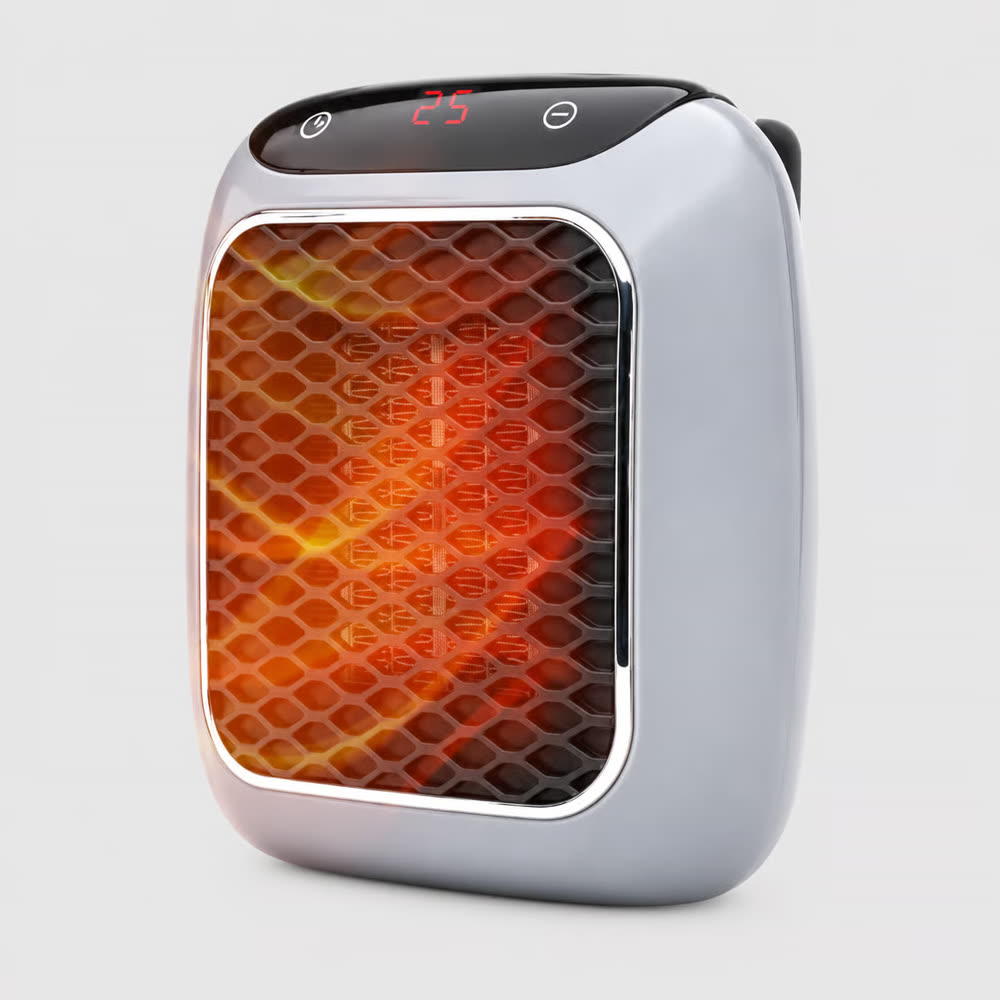
Quick answer
Plug-in heaters are good for warming one small room or a person for short periods, and are cheap to buy. They are not a cost-effective way to heat a whole home, because electricity costs more per kWh than gas. Choose one with a thermostat, timer, tip-over and overheat protection, and the lowest wattage that does the job.
What we checked: We checked the seller's website, UK safety and energy guidance, and published heater specifications. We did not test the product hands-on. Last reviewed 11 October 2026. How we research.
Key takeaways
- They are good for heating a single small or medium room for limited periods.
- Ceramic heaters warm up quickly and work well for small rooms.
- As a rough guide, 1–1.5 kW for a small, well-insulated room and 2–3 kW for a medium room.
- A quiet model with a thermostat and timer, such as an oil-filled radiator or a low-noise ceramic heater.
- They use exactly their rated power. A 2kW heater uses 2kWh every hour at full output; a 500W heater uses a quarter of that.
“Plug-in heater” covers everything from tiny wall-socket units to freestanding fan and oil heaters. This guide explains which type suits which room and what to look for before you buy.
Types of plug-in heater
The main options on sale in the UK:
- Wall-socket (plug-straight-in) ceramic heaters — compact, no cable, best for small rooms
- Freestanding fan heaters — fast, cheap, can be noisy
- Oil-filled radiators — slow to start, steady heat, good for longer use
- Convector heaters — quiet, good for medium rooms
- Halogen/infrared heaters — warm people directly rather than the air
Are plug-in heaters any good?
Yes, for the right job. They are excellent for warming one room you are using, topping up a cold spot or heating a room without radiators. They are poor value as the main heating for a whole house because electricity costs more per kWh than gas in the UK.
Features worth paying for
Prioritise:
- An adjustable thermostat (the biggest factor in running cost)
- A timer, so it can’t run all day by mistake
- Overheat protection and, for floor heaters, tip-over cut-off
- UKCA or CE marking and a named UK seller
- Power suited to the room — roughly 1–1.5 kW for a small room
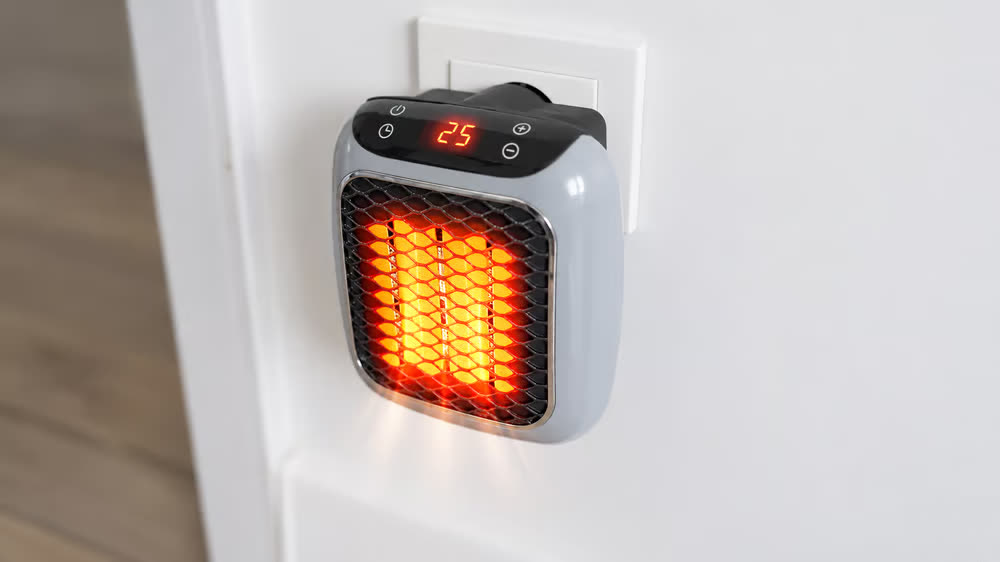
Wall-plug heaters like RapidHeat
Wall-socket heaters such as RapidHeat suit small rooms — the seller suggests up to about 12 m². They save floor space and have no trailing cable, but sit at socket height and are less powerful than many freestanding heaters.
Plug-in heater types compared
'Plug-in heater' covers several designs. Here is how they compare:
| Type | Typical power | How it heats | Best for | Watch out for |
|---|---|---|---|---|
| Wall-plug ceramic (e.g. RapidHeat) | Low, usually under 1kW | Fan blows air over a ceramic element | Topping up one small room | Limited output; fan noise |
| Fan heater | 1–3kW | Fan over a hot wire element | Fast heat in short bursts | Noise; high cost per hour at full power |
| Oil-filled radiator | 0.5–2.5kW | Heats oil that radiates slowly | Longer, steady heat in bedrooms | Slow to warm up; heavy |
| Convector heater | 1–2kW | Warms air that circulates naturally | Whole small/medium rooms | Takes time; heat rises to ceiling |
| Halogen / infrared | 0.4–1.2kW | Radiant heat warms people directly | Sitting in one spot | Bright glow; only warms what it faces |
What size heater do I need?
A common rule of thumb is about 100W per square metre of floor in a typically insulated UK room, though older or draughty rooms need more. A 2m × 3m home office (6m²) might need around 600W to warm fully; a 4m × 4m living room (16m²) closer to 1.6kW.
Low-power wall-plug heaters are therefore best for very small spaces, or for taking the chill off rather than heating from cold.
Must-have features checklist
- Adjustable thermostat — stops heating when the room is warm, saving energy
- Timer — warms the room before you arrive
- Overheat protection — switches off if the heater gets too hot
- Tip-over switch on freestanding models
- UKCA or CE marking and a UK plug
- Remote control or app if the socket is awkward to reach
Plug-in heater pros and cons
| Pros | Cons |
|---|---|
| Cheap to buy and no installation | Electricity costs more per kWh than gas |
| Heat only the room you use | Limited output for large or draughty rooms |
| Portable between rooms | Can be a fire risk if misused |
| Instant on/off control | Fan models make some noise |
How to use a plug-in heater safely and cheaply
- Plug directly into a wall socket in good condition
- Keep at least 1 metre from curtains, bedding and furniture
- Set the thermostat to a comfortable 18–21°C, not maximum
- Close the door so heat stays in the room
- Switch off when you leave the room or go to bed
Common plug-in heater myths
Myth: some plug-in heaters are 'more efficient' and cut bills by half. Fact: all electric heaters turn about 100% of their electricity into heat; savings come from heating less space.
Myth: leaving a heater on low all day is cheaper than switching it on when needed. Fact: heating an empty room always uses more energy than not heating it.
Myth: a small heater can replace central heating. Fact: low-power heaters are designed for small spaces and short sessions.
Is RapidHeat right for you?
Likely a good fit if you…
- Want to warm one small room or desk area
- Want to keep central heating off while you sit in one room
- Have no floor space for a radiator
- Value a 30-day money-back guarantee (per seller)
Probably not for you if you…
- Need to heat a large, open-plan or draughty room
- Expect it to replace central heating or cut bills dramatically
- Need a heater for a bathroom
- Need published wattage and certificates before buying
Frequently asked questions
Are plug-in heaters any good?
They are good for heating a single small or medium room for limited periods. They are not cost-effective as whole-home heating in most UK homes.
Are ceramic plug-in heaters any good?
Ceramic heaters warm up quickly and work well for small rooms. They are no more efficient than other electric heaters, but a good thermostat helps control costs.
What size plug-in heater do I need?
As a rough guide, 1–1.5 kW for a small, well-insulated room and 2–3 kW for a medium room. Draughty or high-ceilinged rooms need more.
What is the best plug-in heater for a bedroom?
A quiet model with a thermostat and timer, such as an oil-filled radiator or a low-noise ceramic heater. Never leave any heater unattended overnight unless the manufacturer says it is designed for that.
Do plug-in heaters use a lot of electricity?
They use exactly their rated power. A 2kW heater uses 2kWh every hour at full output; a 500W heater uses a quarter of that.
Can I leave a plug-in heater on all night?
Safety charities advise against leaving heaters unattended. If you must, choose one with a thermostat, timer and overheat protection.
Do wall plug heaters work?
Yes, they warm the air near them and can take the chill off a small room. Their low power limits how much space they can heat.
What is a plugged heater?
A plugged or plug-in heater is any electric heater that runs from a standard 13A socket, from wall-plug units to oil radiators.
Sources and further reading
Read our full RapidHeat Heater review for specifications, pros and cons and our verdict.