 RapidHeat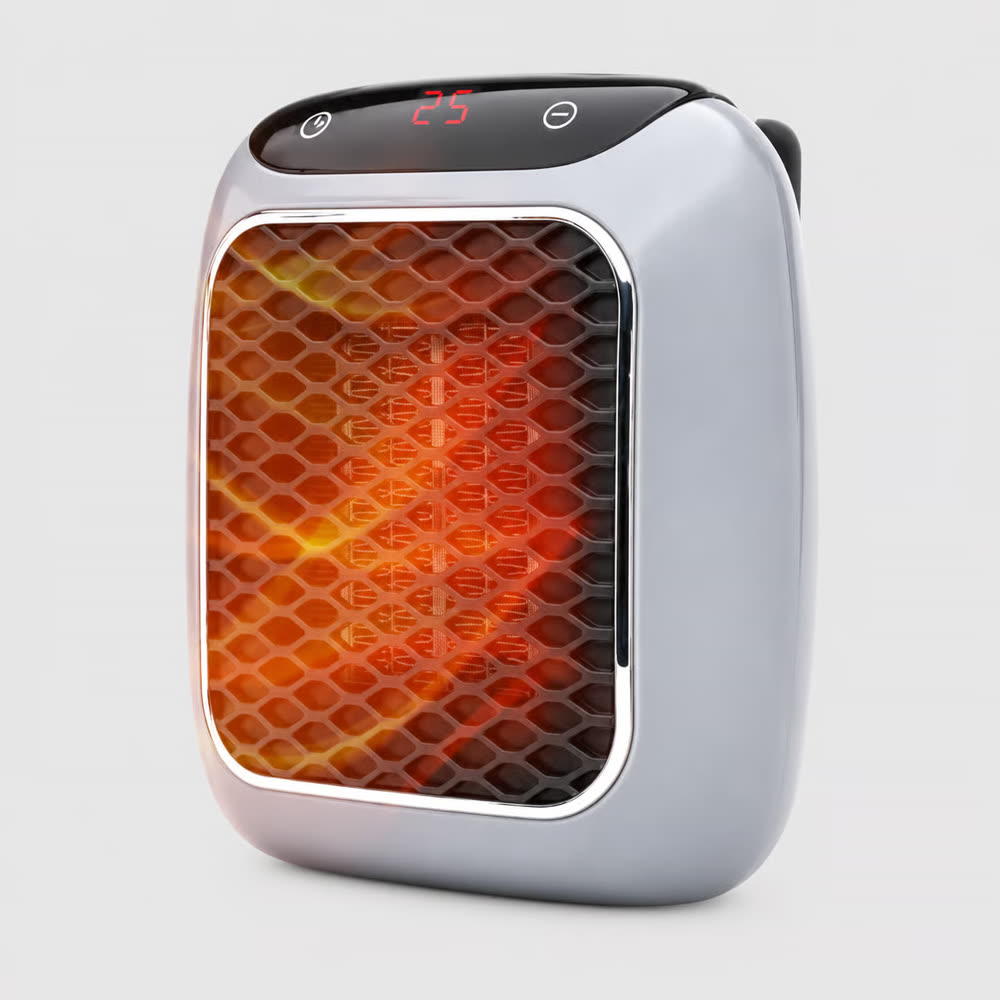
Quick answer
RapidHeat is a low-power wall-plug ceramic heater, so it suits topping up a small room. An oil-filled radiator is better for steady heat over long periods, a fan heater for fast heat at higher power, and a convector for warming a whole medium room. All electric heaters cost the same per kWh; the difference is how much power they use and how they deliver heat.
What we checked: We checked the seller's website, UK safety and energy guidance, and published heater specifications. We did not test the product hands-on. Last reviewed 11 October 2026. How we research.
Key takeaways
- Neither is better overall. RapidHeat suits quick, close warmth in small rooms; an oil-filled radiator suits longer use in medium rooms.
- No. All resistive electric heaters turn electricity into heat at essentially the same efficiency.
- Not better, different. RapidHeat is smaller and plugs into the wall; an oil radiator gives more steady heat over long periods but takes floor space.
- The one with the lowest wattage that still keeps you warm. All electric heaters convert electricity into heat at almost the same efficiency.
- Ceramic heaters use a ceramic element that runs cooler and is often smaller; standard fan heaters often have more power.
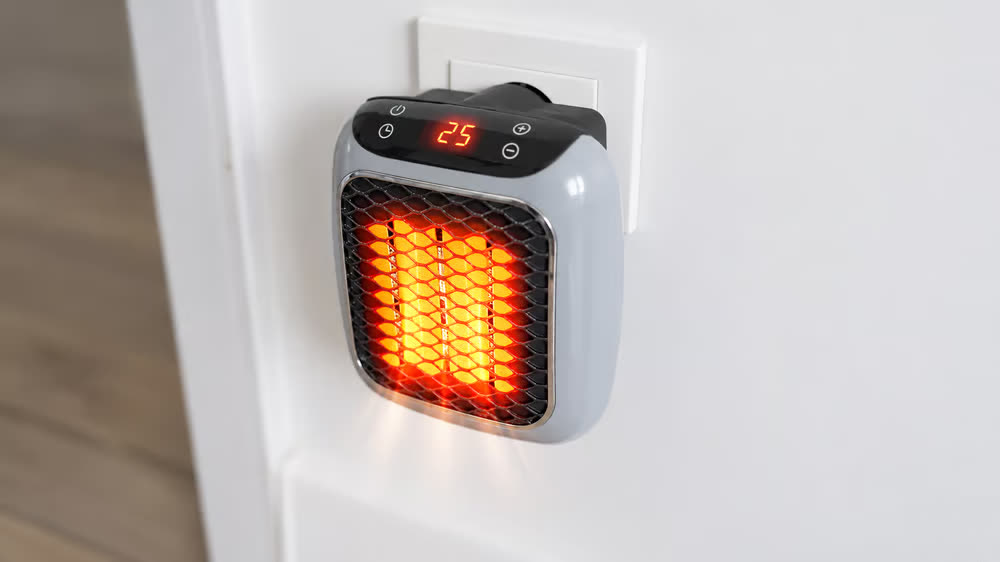
RapidHeat is a wall-plug ceramic fan heater. To judge whether it suits you, compare it with the other common ways to heat a single room using the same criteria for each.
RapidHeat vs oil-filled radiator
Oil-filled radiators warm up slowly but keep releasing heat after the thermostat cycles off, which suits long evenings in medium rooms. RapidHeat-style fan heaters feel warm sooner nearby but stop heating as soon as they switch off. Both cost the same per kWh used.
RapidHeat vs freestanding fan heater
Technically similar: both blow air over a hot element. Freestanding fan heaters are often more powerful (2–3 kW) and can be positioned anywhere, while a wall-plug design saves floor space and has no trailing cable but sits at socket height.
RapidHeat vs convector heater
Convectors heat air that rises naturally. They are quiet and good for medium rooms but slower than a fan heater to make you feel warm.
RapidHeat vs central heating
Central heating heats the whole home, usually at a lower cost per unit of heat when powered by gas. A small plug-in heater only makes financial sense when it lets you leave the central heating off and warm just the room you are in.
Quick summary
Choose by situation:
- Small room, short sessions, no floor space: a wall-plug heater like RapidHeat
- Medium room, long evenings: an oil-filled radiator
- Fast heat for a medium room: a 2–3 kW fan heater
- Whole house: your central heating
Side-by-side comparison
We compared each heater type using the same five criteria so the comparison is fair:
| Type | Typical power | How it heats | Best for | Watch out for |
|---|---|---|---|---|
| Wall-plug ceramic (e.g. RapidHeat) | Low, usually under 1kW | Fan blows air over a ceramic element | Topping up one small room | Limited output; fan noise |
| Fan heater | 1–3kW | Fan over a hot wire element | Fast heat in short bursts | Noise; high cost per hour at full power |
| Oil-filled radiator | 0.5–2.5kW | Heats oil that radiates slowly | Longer, steady heat in bedrooms | Slow to warm up; heavy |
| Convector heater | 1–2kW | Warms air that circulates naturally | Whole small/medium rooms | Takes time; heat rises to ceiling |
| Halogen / infrared | 0.4–1.2kW | Radiant heat warms people directly | Sitting in one spot | Bright glow; only warms what it faces |
RapidHeat vs oil-filled radiator: in detail
An oil-filled radiator takes 15–30 minutes to warm up but keeps radiating heat after its thermostat switches off, making it a good choice for bedrooms overnight. It is heavier, sits on the floor and typically uses 1–2.5kW. RapidHeat plugs into the wall, takes no floor space and runs at lower power, so it produces less heat but is easier to move from room to room.
RapidHeat vs fan heater
A standard 2kW fan heater will warm a room faster than a small wall-plug heater simply because it uses more power — and costs around 54p an hour at full output on a 27p tariff. RapidHeat is the lower-cost-per-hour option, but it will take longer to change the temperature of the same room.
RapidHeat vs halogen and infrared heaters
Radiant heaters warm people and objects directly, so you feel warm quickly when sitting in front of one, even in a cold room. A fan-driven ceramic heater warms the air, which spreads heat more evenly but more slowly. If you sit in one spot, radiant heat can feel more efficient; if you move around a small room, warm air may suit you better.
Which should you choose?
Match the heater to the job:
- Small room, short sessions, no floor space → wall-plug ceramic such as RapidHeat
- Bedroom overnight, steady background heat → oil-filled radiator
- Fast heat in a garage or workshop → fan heater (with care)
- Sitting at a desk or on the sofa → infrared panel or halogen
- Whole medium-sized room → convector heater
RapidHeat vs convector and panel heaters
Convector and slim panel heaters warm air that rises and circulates around the room, giving even background heat across a medium-sized room. They typically use 1–2kW and often have accurate digital thermostats and weekly timers. RapidHeat is smaller and lower-powered, so it is quicker to set up in a tiny space, but a panel heater is the better choice for warming a whole bedroom or lounge.
Running cost comparison at the same usage
Four hours a day at full power, at 27p per kWh:
| Heater | Example power | 4 hours a day | 30 days |
|---|---|---|---|
| Wall-plug ceramic | 500W | 54p | £16.20 |
| Infrared panel | 600W | 65p | £19.44 |
| Oil-filled radiator | 1.5kW | £1.62 | £48.60 |
| Convector | 2kW | £2.16 | £64.80 |
| Fan heater | 2kW | £2.16 | £64.80 |
What the comparison does not tell you
A cheaper hourly cost is only useful if the heater keeps you warm. A 500W heater in a 15m² room may run flat out and still feel inadequate, while a 1.5kW radiator with a thermostat might reach temperature and switch off. Match the output to the room before comparing costs.
Is RapidHeat right for you?
Likely a good fit if you…
- Want to warm one small room or desk area
- Want to keep central heating off while you sit in one room
- Have no floor space for a radiator
- Value a 30-day money-back guarantee (per seller)
Probably not for you if you…
- Need to heat a large, open-plan or draughty room
- Expect it to replace central heating or cut bills dramatically
- Need a heater for a bathroom
- Need published wattage and certificates before buying
Frequently asked questions
Is RapidHeat better than an oil-filled radiator?
Neither is better overall. RapidHeat suits quick, close warmth in small rooms; an oil-filled radiator suits longer use in medium rooms.
Is a ceramic heater more efficient than other electric heaters?
No. All resistive electric heaters turn electricity into heat at essentially the same efficiency. The differences are speed, how the heat spreads and how controls like thermostats are used.
Is RapidHeat better than an oil radiator?
Not better, different. RapidHeat is smaller and plugs into the wall; an oil radiator gives more steady heat over long periods but takes floor space.
Which electric heater is cheapest to run?
The one with the lowest wattage that still keeps you warm. All electric heaters convert electricity into heat at almost the same efficiency.
Is a ceramic heater better than a fan heater?
Ceramic heaters use a ceramic element that runs cooler and is often smaller; standard fan heaters often have more power. Both blow warm air.
Can RapidHeat replace central heating?
No. It is designed to top up warmth in one small space, not to heat a whole home.
Is RapidHeat cheaper to run than a fan heater?
Per hour, yes, if it runs at lower wattage. It also produces less heat, so it suits smaller rooms.
What is better for a bedroom: RapidHeat or an oil radiator?
An oil-filled radiator is quieter and gives steady heat, which usually suits bedrooms better. RapidHeat suits short top-ups in a small space.
Sources and further reading
Read our full RapidHeat Heater review for specifications, pros and cons and our verdict.